Are you wondering whether Staten Island feels more like city living, house living, or something in between? If you are thinking about buying here, that question matters because your daily routine, commute, and housing options can look very different from other parts of New York City. Staten Island offers a distinct ownership experience shaped by more homeownership, more lower-density housing, and strong access to parks and waterfront space. Here is what you can expect when you own a home on Staten Island.
Staten Island stands out for homeownership
If your goal is to put down roots, Staten Island has a very different profile from many other NYC boroughs. Richmond County had an owner-occupied housing rate of 67.7% in the 2020-2024 American Community Survey, with 186,310 housing units and a median owner-occupied home value of $675,500.
That ownership rate is especially notable when you compare it with other boroughs. Brooklyn was at 29.5%, Queens at 44.9%, and Manhattan at 25.1%. For you as a buyer, that means Staten Island often feels more ownership-oriented than renter-dominated.
Monthly ownership costs also help frame the experience. The Census reported median monthly owner costs of $2,979 with a mortgage and $1,082 without one, while median gross rent was $1,733. Those numbers do not tell the whole story of affordability, but they do show the practical cost lens many buyers use when weighing renting versus owning.
Housing feels more house-oriented
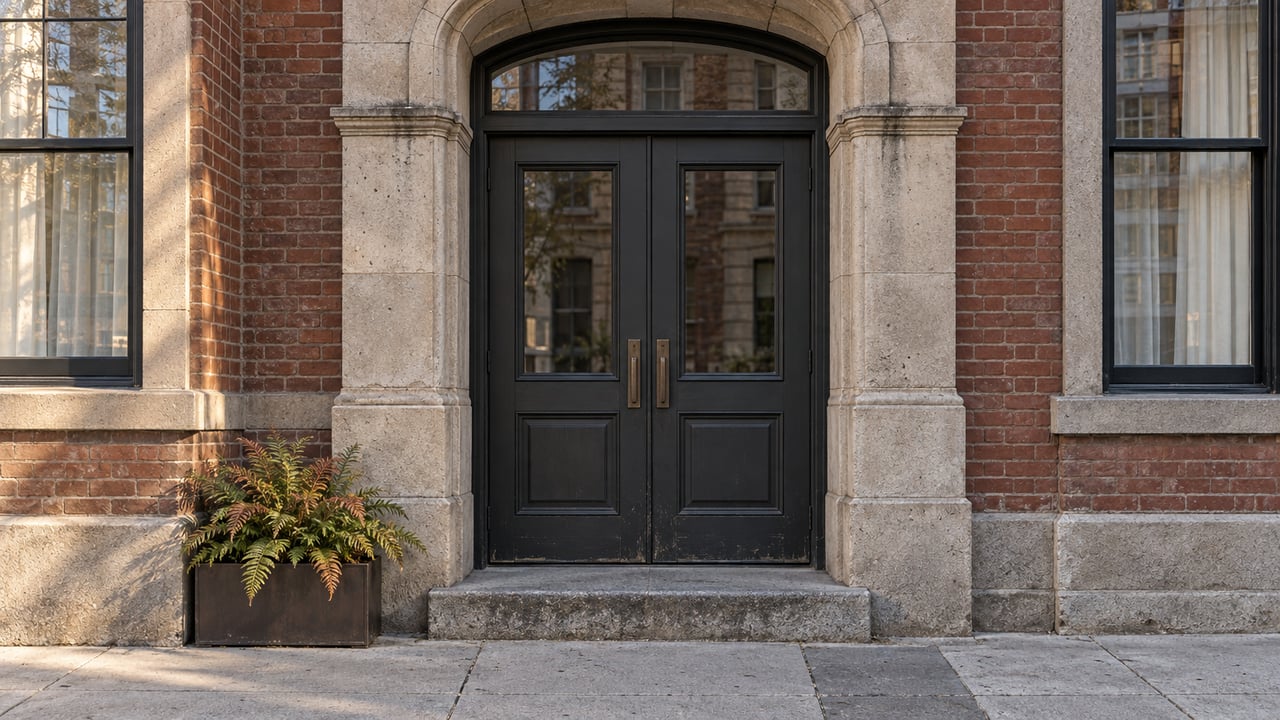
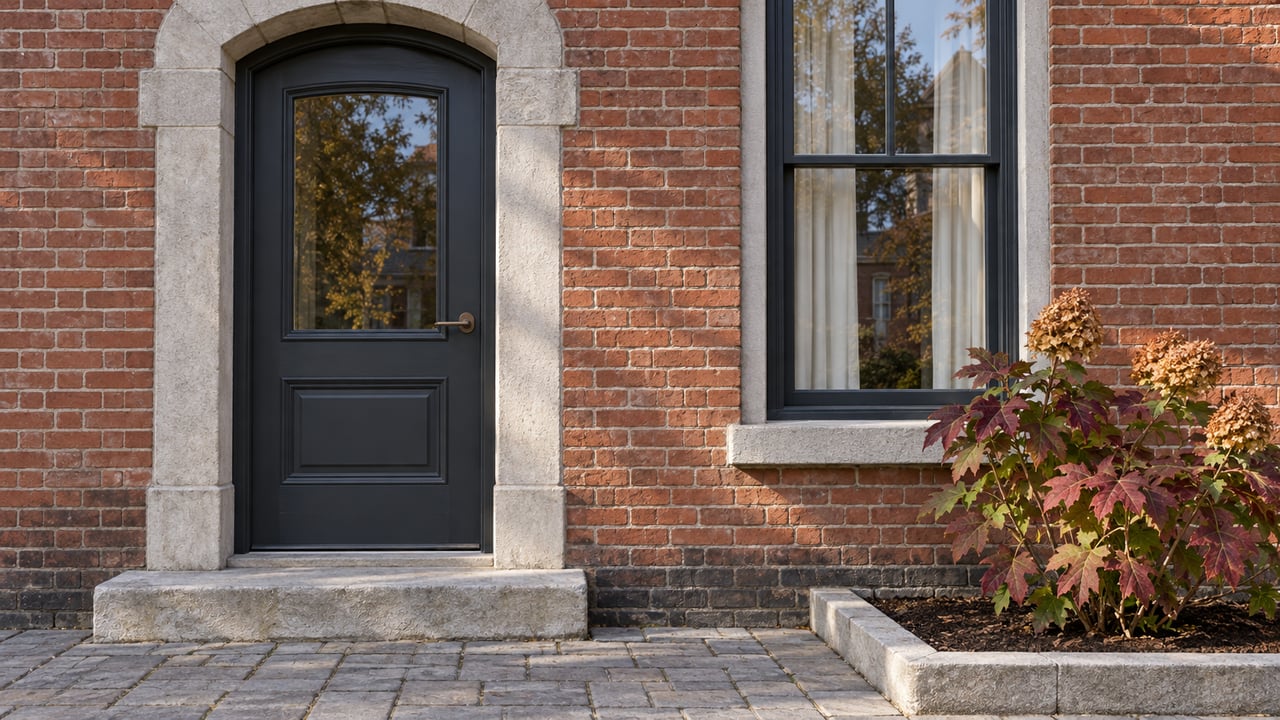
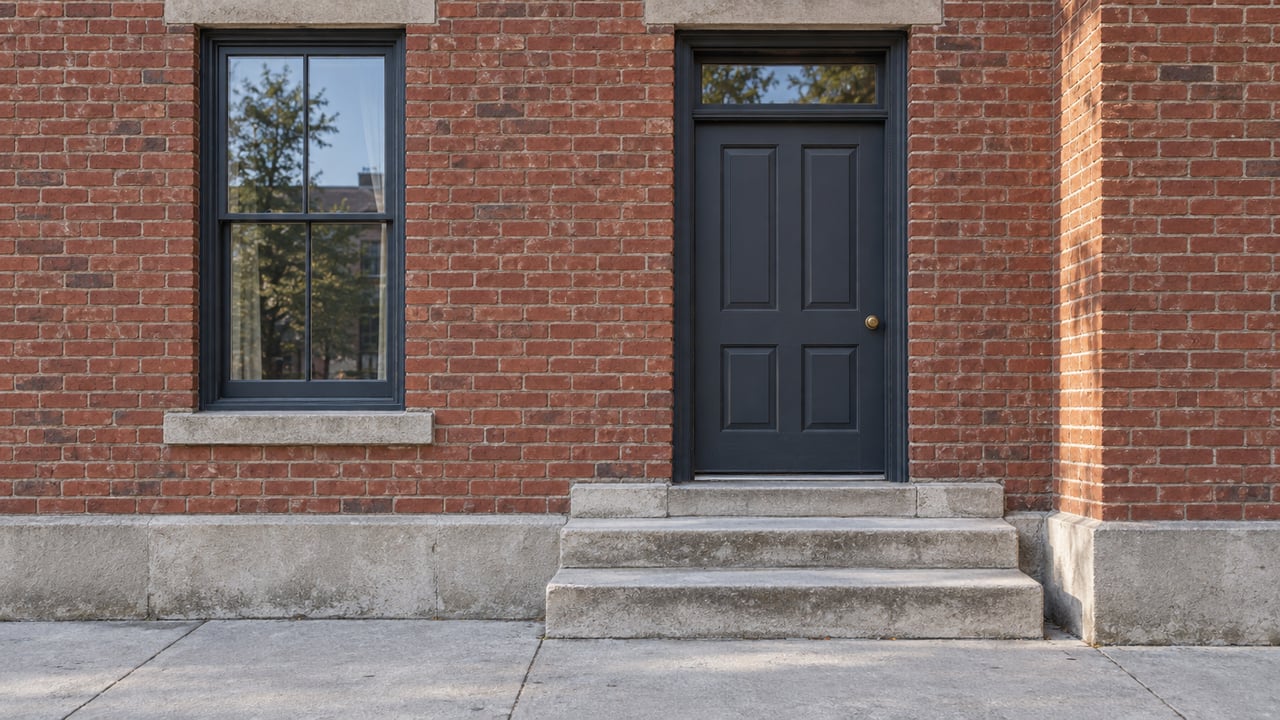
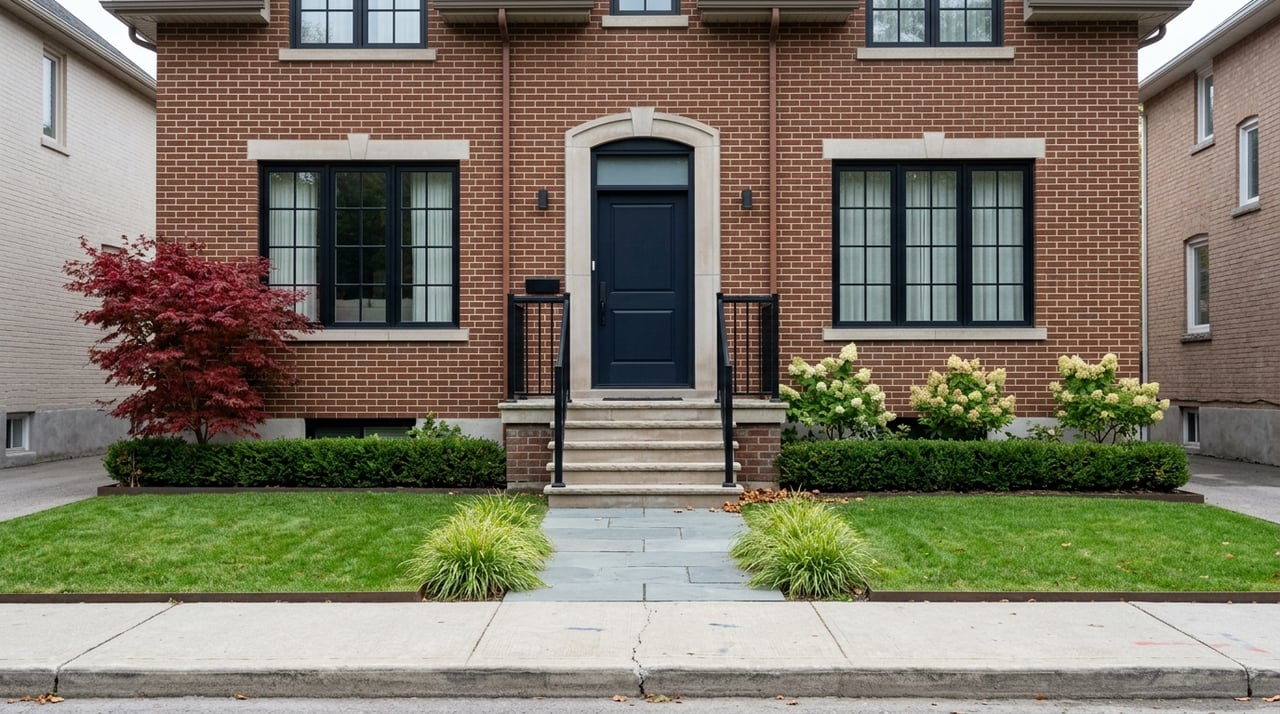
One of the biggest lifestyle differences on Staten Island is the housing stock itself. In many parts of the borough, you are more likely to see lower-rise residential blocks and house-focused streetscapes than you would in Manhattan or denser parts of Brooklyn.
NYC Planning identifies lower-density residence districts in Staten Island neighborhoods such as Great Kills, Willowbrook, and Midland Beach. These districts can include detached single-family homes, one- and two-family detached homes, or a mix of detached, semi-detached, and attached homes.
That pattern is especially visible on the East and South Shores. According to the city’s rebuilding and resiliency initiative, those areas contain nearly 70,000 residents, and one- and two-family homes account for 90% of all buildings, 94% of residential buildings, and 84% of housing units.
For you, that often translates into a more house-centered ownership experience. Depending on the neighborhood, you may find more stand-alone homes, more multi-level residences, and a streetscape that feels less vertical than other parts of the city.
Neighborhood character varies across the borough
Staten Island is not one single housing story. The borough includes North Shore, Mid-Island, East Shore, and South Shore areas that can feel quite different in layout, housing type, and access to transit or waterfront space.
The borough’s three community boards help show how these submarkets break out. Community Board 1 includes areas such as St. George, Stapleton, Tompkinsville, and Westerleigh. Community Board 2 includes neighborhoods such as New Dorp, Midland Beach, and Todt Hill. Community Board 3 includes Great Kills, Huguenot, Tottenville, and other South Shore neighborhoods.
That matters because where you buy shapes how you live. A home near St. George may place you closer to the ferry and transit connections, while a home farther south may offer a different rhythm tied more closely to local commercial corridors, parks, and waterfront areas.
Staten Island also has a historic side
Owning on Staten Island can also mean owning near places with deep architectural history. If you appreciate older homes, traditional streetscapes, or historic context, the borough offers more variety than many buyers expect.
In Stapleton’s Harrison Street Historic District, the city describes buildings in styles including Greek Revival, Italianate, Second Empire, Queen Anne, Colonial Revival, and Romanesque Revival. In Tottenville, the De Hart House reflects early South Shore building traditions and blends Greek Revival and Gothic Revival features.
Historic Richmond Town adds another layer to that story. The city says the district spans more than 100 acres, includes 30 historic structures, and is the most complete living history village in New York City. Even if you are not buying a historic home, these places add texture and identity to the ownership experience.
Commuting is a key part of daily life
If you work outside Staten Island, your commute will likely play a major role in where you decide to buy. Ownership here often comes with a ferry-plus-bus or rail planning mindset.
The Staten Island Ferry is free, runs every day year-round, and takes about 25 minutes between St. George and Whitehall. For many residents, that ferry ride is a defining part of the borough’s connection to Manhattan.
St. George Terminal connects to the Staten Island Railway and many local bus routes. On the Manhattan side, Whitehall Terminal connects to nearby buses and subway stations including South Ferry, Whitehall Street-South Ferry, Bowling Green, and Broad Street.
The Staten Island Railway is the borough’s only rapid transit line, and bus service is another major part of local travel. In practical terms, your experience will vary based on whether your home is close to the ferry, near the rail line, or along an express-bus corridor. The boroughwide mean travel time to work was 43.1 minutes in the 2020-2024 ACS, which gives useful context if commute time is high on your list.
Parks and waterfront shape the lifestyle
For many buyers, one of Staten Island’s strongest selling points is how much everyday life can revolve around open space. If you want your routine to include walking paths, waterfront views, and larger parks, the borough offers a lot to work with.
The Franklin Delano Roosevelt Boardwalk and promenade in South Beach stretches 2.5 miles and offers broad views of the Atlantic Ocean and New York Harbor. New Dorp Beach includes two swimming bays with views toward the Atlantic, Brooklyn, and the harbor.
Freshkills Park is another major long-term asset. The city opened the first 21-acre North Park section to the public in 2023, and when fully developed, Freshkills Park will be the second-largest park in the five boroughs.
Conference House Park sits at the southernmost point in New York State and includes historic buildings, bay views, and hiking and biking trails. Snug Harbor adds a different kind of destination with 83 acres that combine gardens, open meadows, museums, artist studios, performance spaces, and a significant collection of 19th-century architecture.
When you own on Staten Island, these spaces are not just occasional outings. They can become part of your weekly rhythm, whether that means morning walks, bike rides, waterfront time, or simply having more room to breathe.
Civic resources support everyday ownership
Homeownership is not only about the home itself. It is also about knowing how to navigate the neighborhood and city services around you.
Staten Island’s community boards can be a useful part of that picture. According to Community Board 1, borough board offices can help residents with issues such as sanitation schedules, transportation, voter registration, city budget matters, and health care initiatives.
Borough Hall is another civic anchor. It houses the Borough President’s Office, Department of Buildings offices, and other public offices, and it is also a designated New York City Landmark.
Local institutions also shape day-to-day life. On the South Shore, the Charleston Library is the New York Public Library’s newest branch and offers books, computers, multipurpose rooms, classes, and a fully accessible 10,000-square-foot facility.
Waterfront ownership comes with extra planning
Waterfront access can be a major draw, especially on the East and South Shores. At the same time, owning near the coast calls for a practical understanding of location-specific risks.
The city’s resiliency planning documents note that transportation assets in those areas are vulnerable to coastal inundation and that Hurricane Sandy caused major damage there. That does not define every home or every neighborhood, but it is relevant context if you are considering a waterfront or near-water purchase.
For you as a buyer, this means it is wise to weigh both the lifestyle upside and the planning considerations tied to a specific property location. A well-informed home search on Staten Island should always connect the home itself with the block, the shoreline context, and the broader neighborhood pattern.
What ownership often feels like day to day
At its core, owning a home on Staten Island often means getting a more ownership-heavy, house-oriented version of New York City life. You may still be balancing a city commute, but your home environment can feel more residential, more spacious in character, and more tied to parks, waterfronts, and neighborhood-scale living.
That mix is what makes the borough stand out. You are not leaving the city behind, but you may find a different version of it here, one shaped by one- and two-family homes, ferry and bus connections, and a stronger sense of residential continuity.
If you are weighing a move, the most important question is not whether Staten Island is exactly like another borough. It is whether its style of ownership fits the way you want to live.
If you are exploring Staten Island homes or planning your next move in New York City, Panache Real Estate can help you navigate the market with personalized guidance and a refined, full-service approach.
FAQs
What is homeownership like on Staten Island compared with other NYC boroughs?
- Staten Island is much more ownership-heavy than several other boroughs, with a 67.7% owner-occupied housing rate in the 2020-2024 ACS, compared with 29.5% in Brooklyn, 44.9% in Queens, and 25.1% in Manhattan.
What types of homes are common on Staten Island?
- Many Staten Island neighborhoods include detached single-family homes, one- and two-family homes, and other lower-density residential buildings, especially in areas such as Great Kills, Willowbrook, Midland Beach, and much of the East and South Shores.
What is the Staten Island commute like for homeowners?
- Many homeowners rely on a combination of the free Staten Island Ferry, the Staten Island Railway, local buses, and express buses, with commute patterns varying based on how close a home is to St. George, rail stations, or major bus routes.
What outdoor amenities do Staten Island homeowners have access to?
- Staten Island offers major outdoor spaces including the Franklin Delano Roosevelt Boardwalk, New Dorp Beach, Freshkills Park, Conference House Park, and Snug Harbor, giving homeowners strong access to waterfronts, trails, gardens, and open parkland.
What should buyers know about waterfront homes on Staten Island?
- Buyers looking at East Shore or South Shore waterfront areas should know that the city identifies coastal inundation as an ongoing planning issue there and notes that Hurricane Sandy caused major damage in those areas.
What local resources are helpful for Staten Island homeowners?
- Community boards, Staten Island Borough Hall, and civic institutions such as the Charleston Library can be useful local resources for residents seeking information on city services, transportation, neighborhood issues, and public programs.