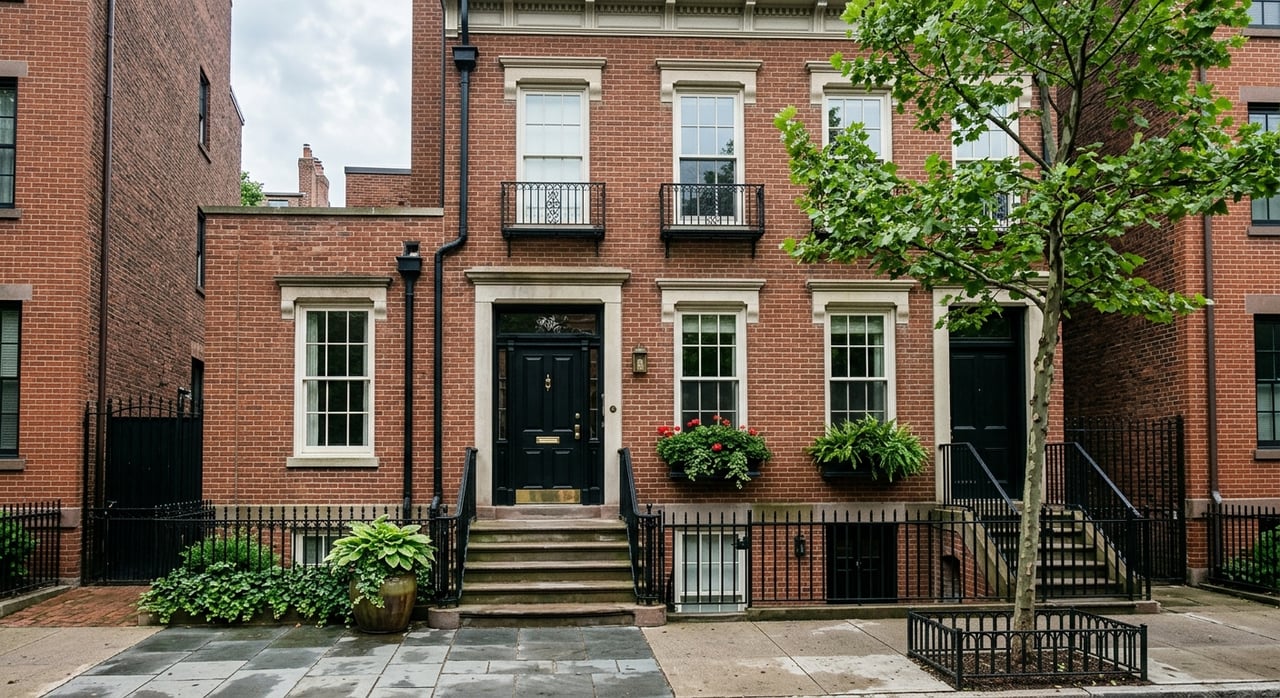
Buying your first investment property in Queens can feel like a big leap, especially when prices, rents, taxes, and legal details all pull your attention in different directions. If you are wondering whether a small multi-family is a smart first move, the short answer is: it can be, but only if the numbers and the building both hold up. This guide will help you understand what makes Queens appealing, what to watch for in a 2- to 4-family property, and where first-time buyers need to slow down and verify the details. Let’s dive in.
Why Queens gets first-time investor attention
Queens often lands in a practical middle ground for buyers who want rental income potential without starting at Manhattan or Brooklyn pricing. According to official 2025 sales data, the median sale price for a Queens two-family home was $995,000, which was close to the citywide two-family median of $992,794. That was lower than Brooklyn at $1.225 million and far below Manhattan at $3.525 million.
On the rental side, Queens also offers meaningful income potential. StreetEasy reported a median asking rent of $3,200 in Queens in April 2026, compared with $3,845 in Brooklyn and $4,869 in Manhattan. At the same time, Queens rental inventory fell 13.9% year over year to 4,202 units, which points to a market where renter demand remained active as supply tightened.
For a first-time investor, that combination matters. You may find that Queens offers a more approachable entry point than some neighboring boroughs while still giving you a realistic path to offset your housing cost or build income over time.
What a small multi-family looks like in Queens
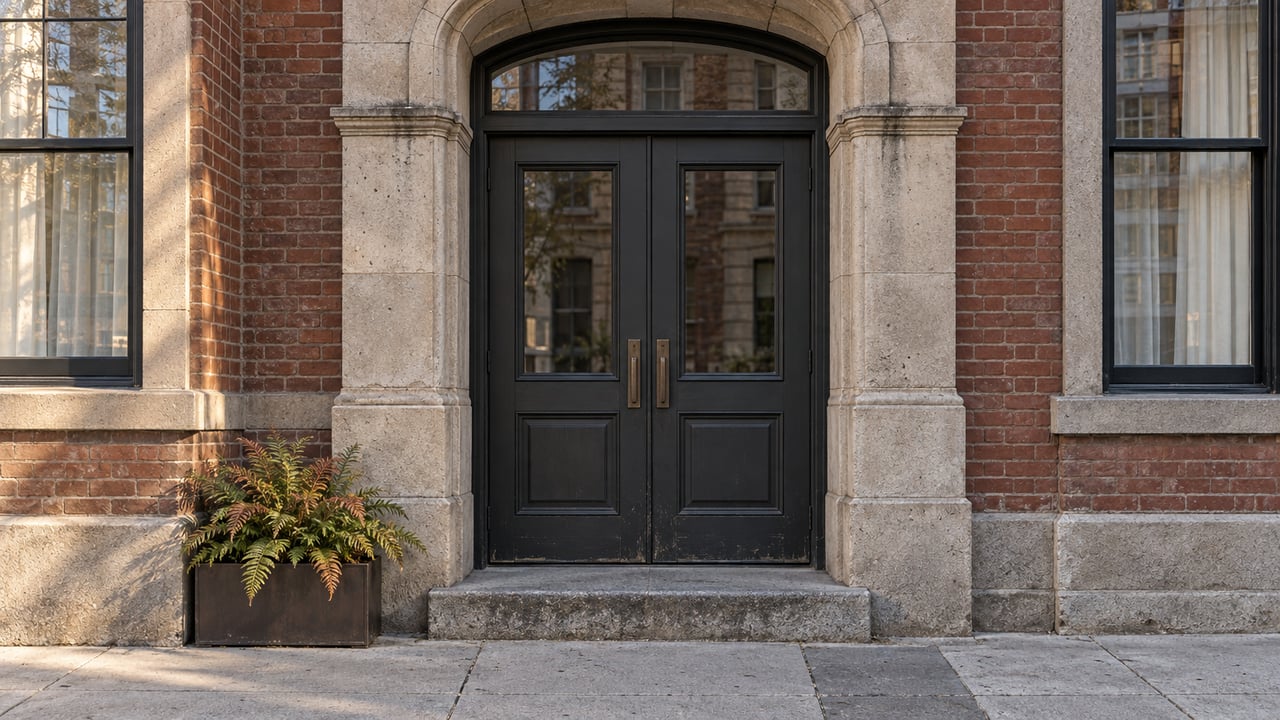
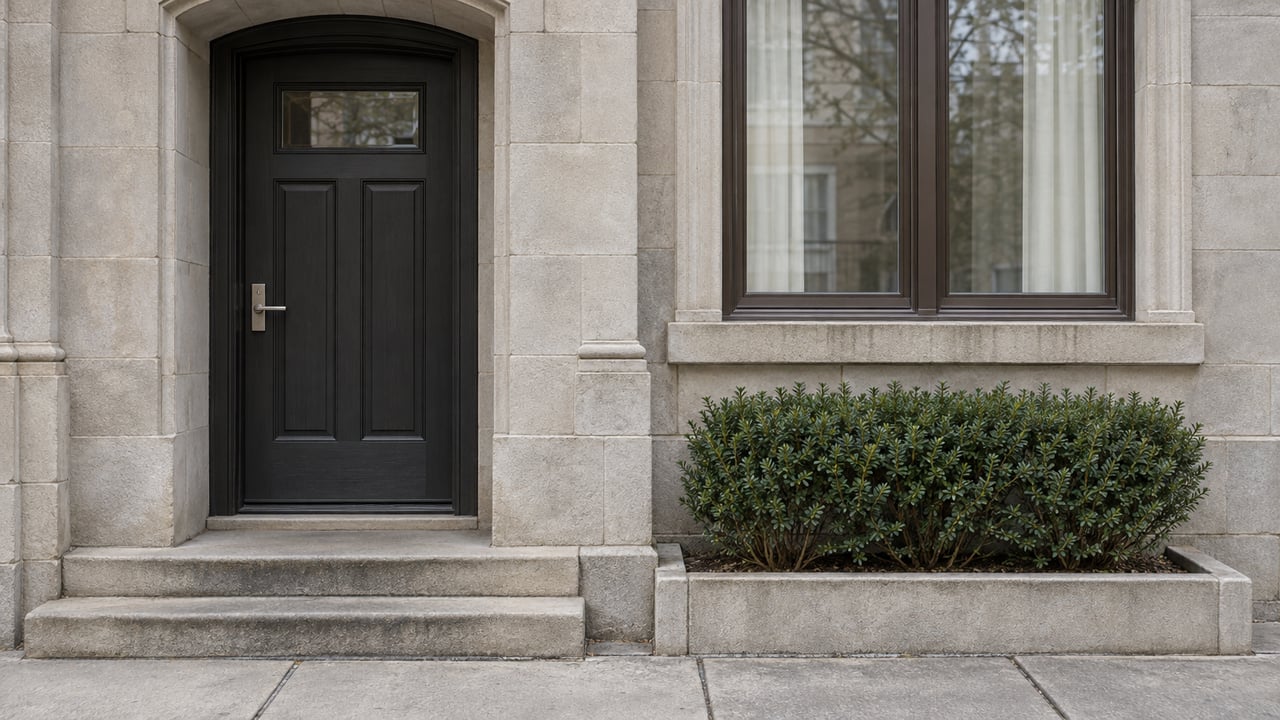
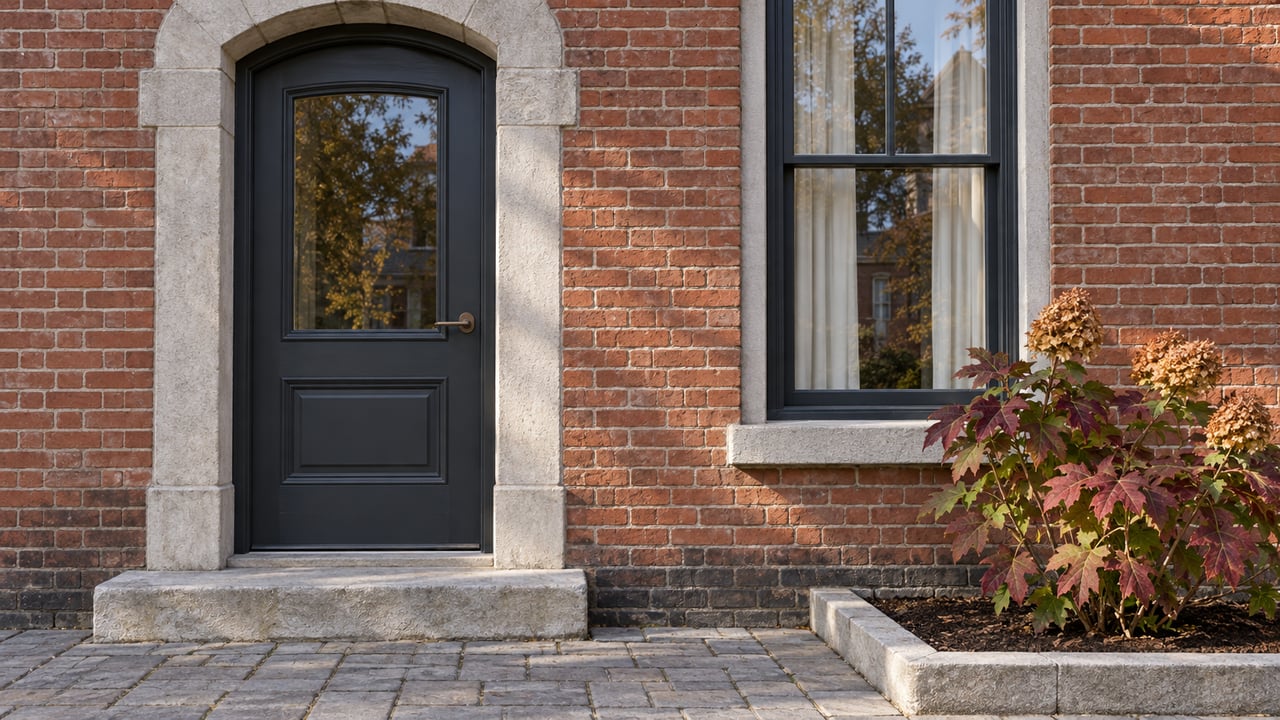
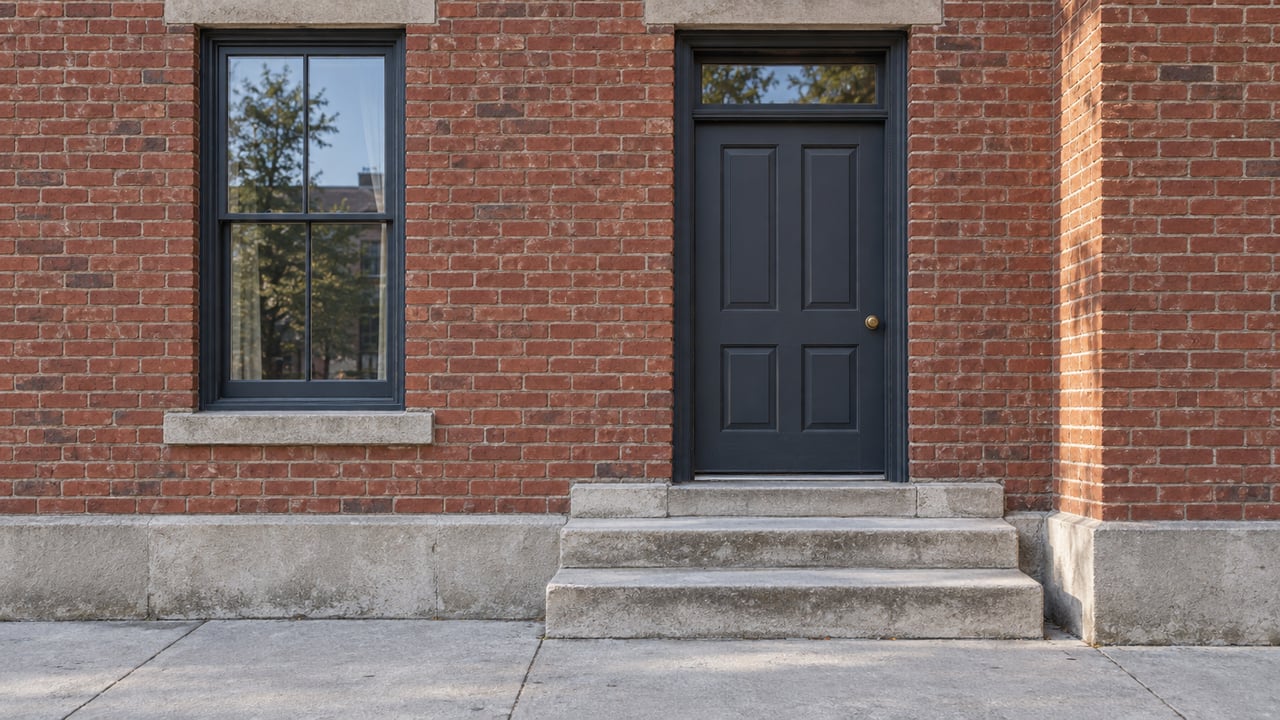
When people hear “multi-family,” they sometimes picture a larger apartment building. In many parts of Queens, that is not what you are looking at. Small multi-family properties are often low-rise, neighborhood-scale buildings that feel much closer to residential homes than to large elevator buildings.
NYC Planning notes that lower-density residence districts such as R3-2 allow low-rise attached houses, small multifamily apartment houses, and detached and semi-detached one- and two-family residences. R5 districts commonly include three- and four-story attached houses and small apartment houses. In practical terms, your first Queens investment may look more like a compact residential building on a neighborhood block than a traditional big-city income property.
That can be appealing if you want to ease into ownership. A smaller property may feel more manageable when you are learning how to budget for maintenance, understand tenant responsibilities, and balance your own housing costs if you plan to live in one of the units.
Why 2-, 3-, and 4-family properties differ
Not all small multi-family buildings work the same way in New York City. One of the biggest distinctions is between a 2- or 3-family property and a 4-family property. That difference can affect your taxes, your recordkeeping, and how you evaluate the building as an investment.
NYC311 states that Tax Class 1 covers 1-, 2-, and 3-family homes. Tax Class 2 includes primarily residential property with 4 or more units. That means a 4-family building is generally treated much more like an income-producing property than a typical owner-occupied house.
This is one reason many first-time buyers are drawn to 2- or 3-family properties first. They can still provide rental income, but they often fit more naturally into an owner-occupied strategy. A 4-family may still be a smart buy, but it usually deserves a more detailed review of taxes, expenses, and building operations before you move forward.
How to think about cash flow
A small multi-family only works as a first investment if you underwrite it realistically. A simple model starts with gross rent, subtracts vacancy or credit loss, subtracts operating expenses, and then subtracts debt service. If the remaining number is too thin, the property may be less flexible than it first appears.
Your expense list should be broader than many first-time buyers expect. The IRS notes that common rental expenses include mortgage interest, property taxes, repairs, maintenance, utilities, insurance, and certain legal or professional costs. If you are planning to live in one unit, shared costs such as mortgage interest and real estate taxes must be allocated between personal and rental use.
It is also important to separate repairs from improvements. The IRS says improvements are generally not deducted in full in the year they are paid and are typically recovered over time. So if you buy a property that needs major upgrades, your cash needs may be higher than a quick spreadsheet suggests.
The expenses that can change the deal
In Queens, the smartest first-time buyers focus on a few cost categories early.
Property taxes
Property taxes can shift your projections more than you expect. NYC311 explains that Tax Class 1 covers 1-, 2-, and 3-family homes, while 4-family properties generally fall into Tax Class 2. The Department of Finance states that 2026 tax rates are 19.843% for Class 1 and 12.439% for Class 2, but assessed value is based on 6% of market value for Class 1 versus 45% for Classes 2, 3, and 4.
The takeaway is simple: do not assume a 4-family will pencil out like a 2-family. The tax structure is different enough that you need a separate model for each property type.
Repairs and maintenance
Older low-rise buildings can come with steady upkeep needs. Even when a property appears well maintained, you should budget for recurring items like plumbing, heating, exterior repairs, and unit turnover work. A property that looks affordable on day one can become much tighter if you understate routine maintenance.
Insurance and utilities
Insurance and utilities belong in every first-pass analysis. Depending on the setup, an owner may be responsible for some or all building utilities, and those costs can affect monthly performance. If you are comparing multiple properties, make sure you are comparing them with the same assumptions.
Professional costs and bookkeeping
Professional support matters more as the building becomes more income-focused. NYC311 notes that owners of income-producing property in any tax class other than Tax Class 1 are generally required to file a Real Property Income and Expense Statement, or a Claim of Exclusion, unless exempt by law. For a first-time buyer considering a 4-family, clean records and disciplined bookkeeping are not optional.
Queens due diligence you should not skip
In Queens, smart investing starts with legal and operational clarity. A property can look great online and still carry issues that change its value or your risk. Before making an offer, focus on the items that affect legal occupancy, income reliability, and ownership obligations.
Verify the Certificate of Occupancy
New York City states that a Certificate of Occupancy shows the legal use or occupancy of a building. New buildings must have one, and a building cannot legally be occupied until a CO or Temporary CO is issued. This is one of the clearest ways to confirm how the property is legally allowed to be used.
Do not rely on tax records alone. NYC311 specifically warns that tax classification is not the same as legal occupancy, so a tax record should never be treated as proof that all units are legal.
Confirm the legal unit count
A listing may describe a property one way, but the legal unit count is what matters. If a seller or prior owner added space without proper approvals, that extra income may not be durable. For a first investment, unsupported income can quickly turn a promising deal into a stressful one.
Scrutinize basement, cellar, and attic setups
This is a major issue in Queens. HPD says cellars in one- and two-family homes can never be lawfully rented or occupied for residential use. HPD also states that basements may be occupied only if they meet requirements for light, air, sanitation, and egress and have Department of Buildings approval.
HPD warns that illegal conversions can create civil and criminal penalties, and unlawful basement or cellar apartments can be ordered vacated. That means you should not count basement income in your numbers unless it is clearly lawful and approved.
Check owner registration obligations
HPD says owners of any three- or four-family home, or of a one- or two-family home where neither the owner nor the owner’s immediate family resides, must register the property each year. If you are moving from a house-hack plan to a fully rented setup, your obligations may change. Understanding that early can help you plan for compliance and day-to-day operations.
Do not assume short-term rental upside
Some first-time buyers are tempted to fill underwriting gaps with short-term rental assumptions. That is not a safe approach here. HPD says entire-unit short-term rentals are not allowed and every housing unit must be used for permanent occupancy of 30 days or more.
If a deal only works because you are assuming short stays, it may not be a sound first investment. Base your numbers on permitted, long-term occupancy instead.
Verify rent-regulation status
Do not assume every unit can be rented at current market asking levels. The NYC Public Advocate states that rent stabilization generally applies to apartments in buildings with six or more units constructed before 1974, though some smaller buildings can still have regulated units. The practical move is to verify rent history and regulatory status before you rely on market-rate projections.
When a Queens small multi-family can be smart
A small multi-family in Queens can be a smart first investment when the legal unit count is clear, the tax class is understood, and the rent roll still works after realistic assumptions for vacancy, repairs, taxes, insurance, and financing. That is the point where a property stops being an exciting idea and starts becoming a disciplined purchase.
For many first-time buyers, a 2- or 3-family may feel like the most balanced option. It can offer rental income and owner-occupant flexibility without some of the administrative differences that come with a 4-family. Still, the right choice depends on your budget, your comfort with building operations, and how conservative your numbers are.
The smartest approach is not chasing the highest possible upside. It is choosing the property you can understand, operate, and hold with confidence.
If you are exploring a small multi-family in Queens, working with a team that understands both neighborhood-level pricing and landlord realities can make the process much clearer. Panache Real Estate offers boutique guidance for buyers, landlords, and small investors who want thoughtful support, practical market insight, and a more confident path to the right property.
FAQs
Is a 2-family or 4-family better for a first investment in Queens?
- A 2-family may feel simpler for many first-time buyers, while a 4-family usually requires closer review of taxes, bookkeeping, and income-property operations.
What should you verify before buying a small multi-family in Queens?
- You should verify the Certificate of Occupancy, legal unit count, basement or cellar legality, tax class, registration obligations, and rent-regulation status.
Can you count basement rental income on a Queens multi-family property?
- You should only count basement income if the space is lawfully approved for residential use, since HPD says cellars in one- and two-family homes can never be lawfully rented for residential occupancy.
How are 4-family properties taxed differently in New York City?
- NYC311 says 1-, 2-, and 3-family homes are generally Tax Class 1, while 4-family properties are generally Tax Class 2, which means they should be modeled differently when you estimate costs.
Are short-term rentals allowed in a Queens small multi-family?
- HPD says entire-unit short-term rentals are not allowed, and every housing unit must be used for permanent occupancy of 30 days or more.
What makes a Queens small multi-family a smart first investment?
- It can be smart when the building is legally configured, the income assumptions are realistic, and the property still works after taxes, repairs, vacancy, insurance, and financing are all accounted for.