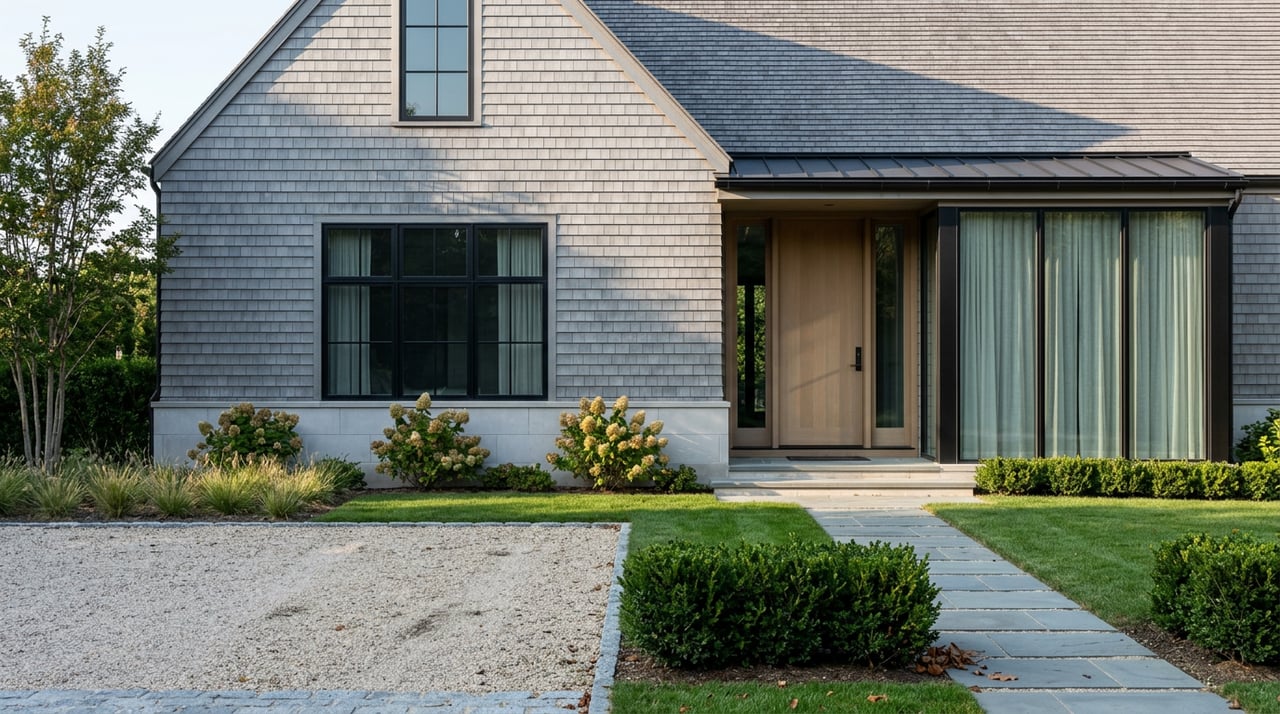
Picture summer mornings by the bay, evenings on the patio, and a home that helps pay its own way. If you are eyeing a Hamptons place with rental potential, you are not alone. The key is to match the dream with a clear plan: what the season looks like, what permits and taxes apply, how to choose the right property, and how to model income and costs without surprises. This guide gives you the Suffolk County basics so you can buy with confidence and set yourself up for smooth, compliant rentals. Let’s dive in.
Hamptons demand and seasonality
The Hamptons rental market is highly seasonal. Most bookings concentrate in summer, with the strongest demand from late May to early September. Off-season demand exists, but it is much lighter. Industry summaries note that annualized occupancy for vacation rentals is lower than full-time markets, which means most revenue happens in a narrow window of peak weeks. You should model your plan around that reality rather than count on year-round bookings. For more context on season-driven performance, review market overviews that highlight how vacation-rental income relies on peak periods, like this general primer on vacation rental income and occupancy patterns from Bankrate: vacation market rental income.
What summer guests expect also shapes your returns. Families and friend groups look for privacy, outdoor living, and easy access to beaches and village life. High-speed Wi-Fi, air conditioning, a stocked kitchen, outdoor dining and grill space, off-street parking, and thoughtful touches like an outdoor shower can be the difference between an average stay and repeat bookings. The quality of finishes and clean, well-staged interiors matter as much as the number of bedrooms.
Know the rules first
Before you assume rental income, confirm that your plan is legal for the specific address. In the Hamptons, rules can differ by town and by incorporated village. For example, a home in the Town of Southampton is subject to town code unless it sits inside Southampton Village, which may have its own rules. Always verify the exact jurisdiction with the town clerk or building department.
Suffolk and NY taxes
- Suffolk County occupancy tax. Suffolk requires a hotel and motel occupancy tax on short-term lodging under 30 days. The tax rate is 5.5 percent of the per-diem charge, and you must register and remit quarterly. Read the County’s notice here: Suffolk County occupancy tax.
- New York State sales tax. New York State treats short-term rental occupancy as taxable. Guidance that clarified collection and reporting took effect for collections on or after March 1, 2025. Booking services that facilitate rentals are required to register as sales tax vendors in New York and, in many cases, collect and remit state and local sales taxes on bookings they process. You are still responsible for understanding what applies to your property, registering when required, keeping records, and making sure any local levies are handled. See the state instructions for Form ST-100: NYS ST-100 instructions and the overview of short-term rental tax guidance.
Bottom line: even if a platform collects some taxes, you may still need to register locally and post certificates or remit certain fees. Build tax compliance into your plan from day one.
Town permits and minimums
Each town has its own rental rules and paperwork. Here are two common examples:
- Town of East Hampton. Most residential rentals require a Rental Registry number. The process includes forms, a notarized self-inspection checklist, and Certificate of Occupancy confirmation. There are advertising rules and penalties for non-registration. The code also limits very short stays. An owner may rent for under two-week periods only twice in a six-month span. Review the town’s program here: East Hampton Rental Registry FAQs.
- Town of Southampton. A rental permit is required for dwellings that are rented. The Town Code contains a 14-day minimum stay outside narrow exceptions. Advertising without a valid permit is prohibited. Permits are typically issued for two years and renewals include a fee and affidavits. See the renewal packet here: Southampton rental permit application.
Permit rules, fees, and inspections can affect your timeline and your business model. Some permits may not transfer to a new owner. Ask the building department to confirm whether an existing permit can carry over or whether you must apply anew after closing.
Choose the right property
Location and jurisdiction
Start with the map. Confirm whether the house lies in a town or inside an incorporated village. Then read that jurisdiction’s rental code for minimum stay requirements, permit steps, and advertising rules. Request any existing rental permit, rental registry number, and Certificate of Occupancy during due diligence so you know what you are inheriting and what it will take to operate.
Infrastructure and safety
Many East End homes rely on on-site septic systems and, in some pockets, private wells. Septic age and capacity can affect occupancy approvals and operating costs. Build in time for a septic inspection and request recent pump and repair records. Expect permit packets to require smoke and CO detectors, visible house numbers, pool and fence safety compliance, a parking plan, and trash removal details. These items are common prerequisites for permit issuance.
Flood risk and insurance
Beachfront and bayfront homes can sit in FEMA flood zones. Flood insurance is separate from homeowners coverage and may be required by your lender. Premiums, wind and hurricane deductibles, and even insurability can vary, especially for high-value coastal properties. Ask for an Elevation Certificate and get early quotes while you are in contract. For practical mapping and coverage tips, review this Long Island flood insurance overview: Do I need flood insurance on Long Island?
Management and amenities
Decide early how you will handle guest communication, check-ins, cleanings, linens, lawn and pool care, and 24/7 issues. Many homeowners use local short-term rental managers who charge a percentage of gross revenue and pass through cleaning and linen costs. Expect utility spikes during stays and extra coastal maintenance from salt air. To compete in peak season, focus on strong Wi-Fi, air conditioning, a well-equipped kitchen, outdoor dining, grill space, and tidy, private outdoor areas. Staging and high-quality photography help your listing stand out.
Run conservative numbers
Your math should start with realistic assumptions for your specific hamlet and property type. Use current data from a paid short-term rental market source or quotes from a local property manager. As a reference point, press reporting based on AirDNA cited a Southampton-area summer 2024 average daily rate (ADR) of about $1,344. See the article here: Southampton beach house rental pricing. Treat it as directional only and verify current numbers for your target neighborhood.
Here is a simple way to frame scenarios using that ADR example:
- Conservative case. Book 50 percent of summer nights (about 49 nights out of a 14-week summer). 49 nights x $1,344 ADR = roughly $65,900 in gross summer revenue. Add modest shoulder bookings. After management, cleaning, taxes, insurance, and upkeep, cash flow may be limited.
- Moderate case. Book 70 percent of summer nights (about 69 nights). 69 x $1,344 = roughly $92,800 gross. Add some shoulder weeks at lower ADRs. This level may cover a meaningful share of annual carrying costs.
- Premium case. Block several weeks for your own use and price top weeks near peak market rates. Results depend on property quality, outdoor amenities, and strong presentation and service.
Be sure to include deductions and holdbacks:
- Platform and payment processing fees.
- State and local taxes: New York State sales tax as applicable plus the Suffolk County 5.5 percent occupancy tax on short stays. See the County notice here: Suffolk County occupancy tax and the state’s filing guidance here: NYS ST-100 instructions.
- Property management commissions plus guest cleaning and linen services.
- Turnover supplies, utilities, landscaping, pool service, and routine maintenance.
- Insurance premiums, including any flood and wind coverage, and a reserve for repairs.
Small changes in ADR or a few lost peak weeks can swing your annual net income. That is why modeling with conservative assumptions is smart.
Step-by-step buying checklist
Use this quick checklist during due diligence so you can close with confidence and start strong:
- Confirm the exact jurisdiction. Ask whether the property is in a town or an incorporated village and request the local rental code. For East Hampton, start with the Rental Registry FAQs. For Southampton, review the rental permit packet.
- Pull documents. Ask for any rental permits or registry numbers on file, the Certificate of Occupancy, septic service records, and pool and fence approvals.
- Price insurance early. Order an Elevation Certificate if in a potential flood zone and get at least two quotes for homeowners and flood coverage.
- Model income and costs. Use local ADR and occupancy data and include management, cleaning, and tax obligations. Remember the Suffolk County occupancy tax and New York State sales tax on short stays.
- Clarify financing. Ask your lender how they will classify the loan (second home or investment) and whether any occupancy limits apply.
- Build an operations plan. Decide on self-managing or hiring a local manager, line up vendors for cleanings and linens, and set house rules that align with your permit and neighborhood.
- Confirm tax reporting. For federal income taxes, the IRS vacation-home rules drive how you report rental income and allocate expenses. Start with IRS Publication 527: Residential Rental Property and speak with a CPA to apply the 14-day and 10 percent tests to your situation.
Protect your downside
Insurance and compliance are your safety net. Standard homeowners or second-home policies often exclude business activity. While platforms may offer host protections, these are not a replacement for a tailored policy. Speak with a broker who understands high-value coastal homes and short-term rental endorsements, and review what platform protections do and do not cover. For a quick overview of platform coverage limits, see this summary of host protections: Airbnb AirCover basics.
Also, remember that permitting is not set-and-forget. Towns enforce noise, parking, and occupancy rules. Build good neighbor practices into your house manual, maintain required local contact information for permits, and keep your advertising consistent with your permit terms.
How Panache Real Estate helps
You deserve a second home that fits your life and performs the way you expect. At Panache Real Estate, you get boutique guidance paired with full-cycle systems. That means design-forward listing advice and photography when you are ready to rent, plus practical support like MLS and portal visibility, tenant screening through our digital rental application portal, and access to our property-management division for owners who want turnkey operations. We coordinate closely with your attorney, CPA, and insurance broker so your permit, tax, and coverage steps stay on track.
Ready to explore Hamptons options with rental potential or to pressure-test a property you already love? Reach out to our team for a focused, no-pressure consult and a conservative income and cost outline tailored to your target hamlet. We will help you see the path from offer to first booking, clearly and confidently.
If you want a second home that also rents well, connect with Panache Real Estate to start a plan that fits your goals.
FAQs
What months have the strongest Hamptons rental demand?
- Peak demand aligns with summer, roughly Memorial Day through Labor Day, with most bookings in June, July, and August. Off-season bookings exist but are limited, so plan for concentrated summer revenue.
What short-term rental taxes apply in Suffolk County, NY?
- Short stays under 30 days generally trigger the Suffolk County occupancy tax at 5.5 percent and New York State sales tax. Platforms may collect some taxes, but you are responsible for registration and full compliance.
Can you rent for less than 14 days in the Town of Southampton?
- The Town Code contains a 14-day minimum stay outside limited exceptions, and advertising without a valid permit is prohibited. Always confirm current rules with the Town before listing.
What is the East Hampton Rental Registry and why does it matter?
- East Hampton requires most residential rentals to register. You get a registry number, follow advertising rules, and meet safety and occupancy standards. Short stays under two weeks are limited to two occurrences in any six-month period.
How do the IRS vacation-home rules affect my taxes?
- If you rent fewer than 15 days in a year, rental income is generally not reported for federal taxes. At 15 days or more, you report income and allocate expenses, and personal-use limits may apply. Review IRS Publication 527 and consult a CPA.
What insurance should you consider for a Hamptons rental home?
- Expect separate flood insurance if you are in a flood zone and confirm wind or hurricane deductibles. Many homeowners policies exclude business use, so ask about short-term rental endorsements. Platform protections are helpful but not a substitute for tailored coverage.