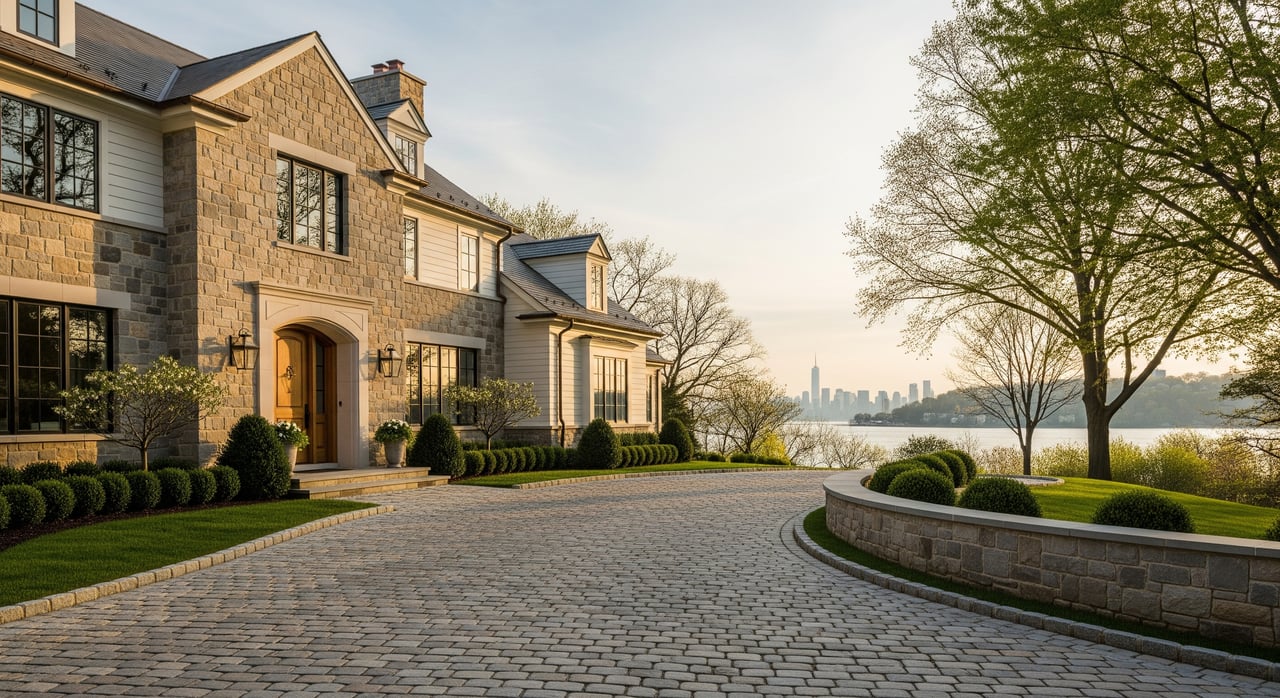
Thinking about trading your NYC walk-up for a little more space up the line? You’re not alone. Many New Yorkers look to Westchester for extra bedrooms, a yard, and a calmer pace while keeping a practical commute. In this guide, you’ll learn how the major train lines shape your options, what homes typically cost to carry each month, how long a closing really takes, and the exact steps that make a move smoother. Let’s dive in.
Westchester at a glance
Westchester sits just north of the city along the east bank of the Hudson River. Towns cluster around three Metro‑North corridors: the Hudson Line along the river, the Harlem Line through the center, and connections to the New Haven Line through the southern towns. Southern and central areas such as Yonkers, New Rochelle, and White Plains are denser and more transit‑connected. Northern areas feel more suburban or rural and are often more car‑dependent.
If you value a shorter daily commute, you’ll likely focus on southern or central towns with faster express service or easier parking. If you want larger lots and more privacy, you may look farther north. Many families target suburbs known for strong public amenities and larger single‑family options, while downsizers and commuters often choose walkable downtowns like White Plains, Yonkers, or New Rochelle.
Pick your corridor by commute and lifestyle
Choosing a line first helps you narrow towns quickly. Test a rush‑hour ride and explore station parking before you fall in love with a house.
Hudson Line highlights
Hudson River towns like Yonkers, Hastings‑on‑Hudson, Tarrytown, Ossining, and Croton‑on‑Hudson offer scenic rides with a mix of express and local service to Grand Central. Approximate station‑to‑station times range from about 35 to 45 minutes for mid‑county stops. Farther north can run 45 to 75 minutes or more depending on express options.
Harlem Line highlights
The Harlem Line serves central Westchester, including Bronxville, Scarsdale, White Plains, and North White Plains. Express service from White Plains can run about 30 to 40 minutes. Local trains take longer. Central towns often balance commute time with strong downtown amenities.
New Haven Line connections
While the New Haven Line primarily serves Connecticut, southern Westchester commuters use stations such as New Rochelle or transfer points to reach Grand Central. If you split time between Westchester and Stamford or Fairfield County, this corridor can be a flexible choice.
Door‑to‑door expectations
- Southern Westchester (Yonkers, New Rochelle): roughly 20 to 35 minutes to Grand Central depending on express vs local.
- White Plains and nearby Harlem Line stops: around 30 to 40 minutes on express trains.
- Hudson River towns like Tarrytown or Hastings: roughly 35 to 45 minutes, sometimes faster with express service.
- Northern suburbs: often 45 to 75 minutes or more.
If your job is in Midtown East, Grand Central is a convenient endpoint. For lower Manhattan or the West Side, plan for a subway transfer. Commuting to New Jersey job centers like Jersey City or Hoboken typically takes longer. Many commuters go into Manhattan first, then connect by subway, PATH, or ferry.
Parking, permits, and last‑mile
Many stations offer municipal or private parking, but permits can have waitlists and pricing varies by town. Some commuters use nearby municipal lots, rideshares, or drop‑offs. Local buses through the Bee‑Line system connect many neighborhoods to stations. Monthly train passes and parking permits can be a meaningful part of your budget, so include them when you model total commute costs.
What you can buy: homes and who they fit
You’ll find a broad mix of property types. Matching the home style to your lifestyle can save money and stress.
- Single‑family homes: Best if you want a yard and multiple bedrooms. Expect higher property taxes and more maintenance.
- Townhouses/rowhouses: A middle ground with less exterior upkeep than single‑family and more space than condos.
- Condominiums: Popular with professionals and downsizers who want lower exterior maintenance. Monthly HOA fees apply.
- Co‑ops: Less common than in NYC but present in several downtowns and older buildings. You’ll have a board approval process, maintenance fees, and specific financing and resale rules.
Prices vary widely by municipality and market cycle. Southern and inner‑ring towns such as Yonkers, Mount Vernon, and parts of New Rochelle often offer lower entry prices. Central suburbs like Scarsdale, Bronxville, and Larchmont trend higher and can include homes from the mid‑to‑high six figures to several million. White Plains and New Rochelle span a wide range for both condos and single‑family homes. Northern Westchester, including areas like Yorktown and Somers, features larger lots and a broad price spectrum. Always verify current pricing with recent local sales.
How to budget: monthly carrying costs
Your monthly cost is more than the mortgage. Build a realistic worksheet so you can compare homes apples‑to‑apples.
Common components include:
- Mortgage principal and interest
- Property taxes (often paid through escrow or semiannually/annually)
- Homeowners insurance
- HOA or condo common charges, or co‑op maintenance
- Utilities and routine maintenance
Property taxes vary sharply by town and school district. Check the actual tax bill for the parcel you are considering. Co‑ops and some older condos may include an underlying mortgage share or capital assessments in maintenance, which can change total cost.
Here is a simple example to illustrate a budget model:
- Home price: $800,000 with 20 percent down. Loan amount: $640,000.
- Mortgage at 6.0 percent on a 30‑year term: about $3,840 per month for principal and interest.
- Property tax estimate at a 1.5 percent effective rate: about $12,000 per year, or $1,000 per month.
- Insurance: roughly $100 to $200 per month.
- Utilities and routine maintenance: about $300 to $500 per month.
In this scenario, your total monthly carrying cost before any HOA or co‑op fees lands around $5,240 to $5,540. Use your lender’s rate quote and the home’s actual tax data for accuracy.
The closing timeline in Westchester
Plan your timeline based on property type and financing. Knowing the pacing items keeps your move on track.
- Single‑family or condo with financing: about 30 to 60 days from contract to close.
- Co‑ops: about 60 to 90 days or more because of board package prep, interview scheduling, and approvals.
- Cash purchases: can close faster, sometimes 7 to 30 days, depending on title work and seller readiness.
Typical sequence
- Offer accepted, then attorney review and contract signing.
- Inspection window, usually within about 10 days of contract.
- Mortgage application, appraisal, and underwriting.
- Title search and municipal searches.
- For co‑ops: board package preparation, submission, interview, and approval.
- Schedule the closing with all parties.
Common contingencies and delays
- Inspection findings and negotiated repairs.
- Appraisal shortfalls or underwriting conditions.
- Municipal or title defects, such as open permits or boundary issues.
- Co‑op board interview timing or rare board rejections.
Typical closing costs
Buyers often pay lender fees, appraisal, title insurance, attorney fees, and recording charges. Co‑op purchases may include application, move‑in, or flip fees. Sellers typically cover brokerage commissions and transfer taxes where applicable. Exact amounts depend on the municipality and deal structure, so confirm with your attorney, lender, and title company.
A practical step‑by‑step checklist
Use this quick list to move from research to keys in hand.
- Define your top towns by commute, amenities, and lifestyle. Use line maps and the travel times above as a starting point.
- Build a budget worksheet with multiple mortgage rate scenarios, real property taxes, insurance, HOA or co‑op maintenance, and utilities.
- Test your commute at peak hours. Ride the train, check express options, and confirm station parking availability.
- Get fully pre‑approved, not just pre‑qualified. This sets a realistic closing timeline and strengthens your offer.
- If buying a co‑op, start your board package early. Gather financials, references, and recent tax returns.
- Schedule inspections and allow time for municipal and title searches.
- If you’re selling, plan your listing timeline, staging, and expected days on market with your agent.
- Book movers early, especially for month‑end or weekend moves. Consider short‑term storage if dates do not align.
- Update your voter registration, DMV address, and utilities.
Driving and non‑train options
Driving is common in northern suburbs. Expect peak‑hour congestion on the I‑87, I‑287, and the Saw Mill River Parkway corridors. Some communities offer express buses to Manhattan, and many commuters use a combination approach: drive to a Park‑and‑Ride, take Metro‑North into the city, then connect by subway. If your job is in New Jersey, plan extra time, since direct Westchester‑to‑NJ transit is limited compared with Manhattan‑bound trips.
How Panache helps you move with confidence
A smooth relocation blends clear guidance with strong execution. With a boutique, concierge approach backed by full‑service systems, Panache Real Estate supports buyers, sellers, and renters across NYC and surrounding markets, including Westchester. You get design‑forward listing preparation, practical valuation tools, and hands‑on help with co‑op and condo rules. If you are also a landlord or small‑portfolio investor, integrated tenant screening and property management keep your assets running smoothly. Ready to map your timeline, budget, and town short list? Reach out to Panache for a tailored plan and on‑the‑ground insights.
Looking for next steps or a quick consult? Connect with the team at Panache Real Estate.
FAQs
What are typical Westchester train times to Grand Central?
- Depending on the town and service, approximate ranges run from about 20 to 35 minutes in southern Westchester, 30 to 40 minutes from White Plains on express trains, and 35 to 45 minutes from many Hudson River towns, with northern suburbs often 45 to 75 minutes or more.
Do I need a car in northern Westchester?
- Many northern areas are more car‑dependent, while southern and central towns tend to have stronger transit access and walkable downtowns.
How do Westchester property taxes affect my monthly budget?
- Taxes vary sharply by municipality and school district, so use the specific parcel’s tax bill; include taxes, insurance, utilities, and any HOA or co‑op maintenance in your monthly carrying‑cost model.
How long does a co‑op purchase take compared with a condo or house?
- Co‑ops often take about 60 to 90 days or more because of board package prep and interviews, while financed single‑family or condo purchases often close in about 30 to 60 days.
What if my job is in Jersey City or Hoboken instead of Midtown?
- Expect a longer trip; most commuters go into Manhattan first and transfer by subway, PATH, or ferry, or they drive depending on schedule and convenience.
Is station parking easy to get in Westchester?
- Many stations offer municipal or private parking, but permits can have waitlists and costs vary by town, so check availability early in your search.