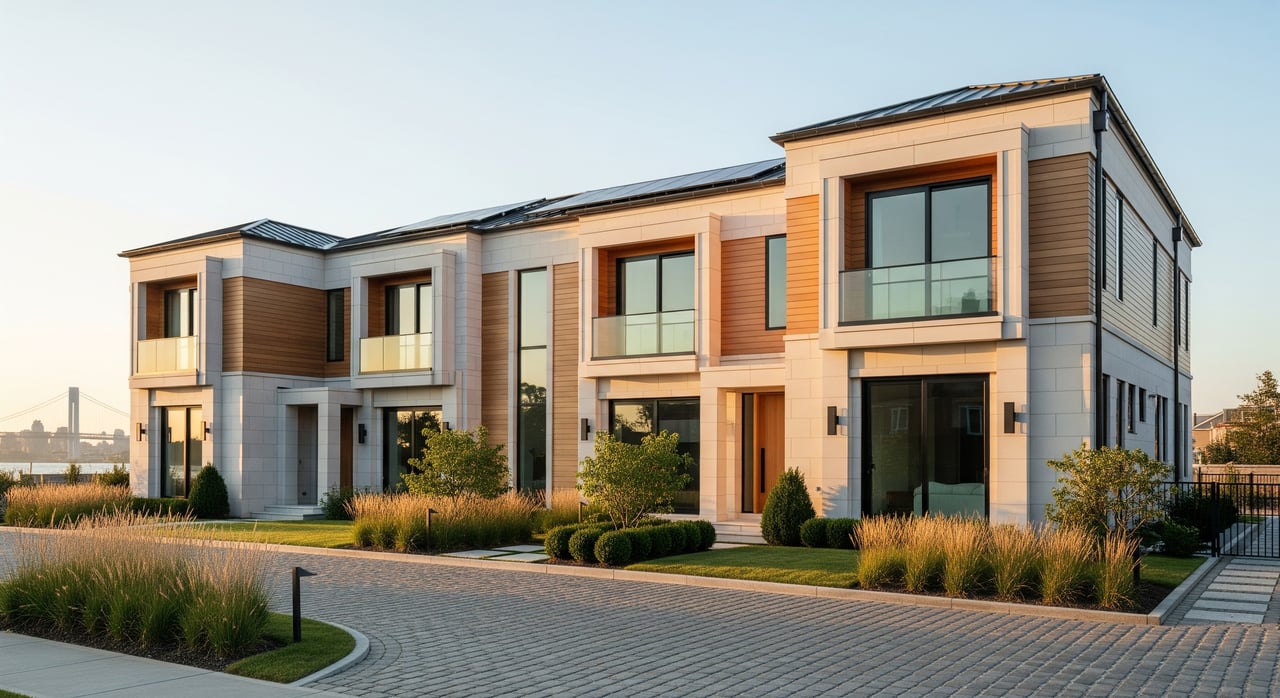
Thinking about buying a new build on Staten Island? You are not alone. New construction promises clean lines, modern systems, and low maintenance, but it also comes with timelines, approvals, and contracts that work differently from resale. In this guide, you will learn how spec homes, pre‑construction, and new townhome options compare, what to expect with financing and inspections, and how to weigh convenience against long‑term value. Let’s dive in.
New construction options on Staten Island
Spec homes
Spec homes are completed or near‑completed houses the builder constructs to sell right away. You can often see the finished product and close once title and financing are ready. Because they are built for inventory, features and finishes are typically standardized.
Pre‑construction or presale
With presale, you buy off plans while the home is being built. This is common in townhouse projects and small condo developments. You may choose finishes or a preferred lot or unit location, but the timeline can be longer and less predictable.
Townhome communities vs custom homes
Production townhome communities share designs, HOA rules, and sometimes amenities. Custom single‑family builds offer more autonomy but usually take longer. On Staten Island, many new homes are infill or part of small redevelopments, which means local permitting and infrastructure work can influence delivery dates.
Pros and cons at a glance
Spec homes
- Pros: Faster closing similar to resale, visible end product, predictable included features.
- Cons: Limited customization, pricing may reflect a builder premium, fewer choices on layout and finishes.
Pre‑construction or presale
- Pros: Chance to personalize finishes and pick a location, potential early‑buyer pricing.
- Cons: Longer and less certain timelines, upgrade costs can add up, more complex financing and higher buyer risk if the project stalls.
Townhome communities
- Pros: New systems and materials, shared maintenance through an HOA, community feel.
- Cons: HOA rules and fees, possible special assessments, project delivery phases can affect roads or amenities during early occupancy.
Custom single‑family builds
- Pros: Greater control over design and features.
- Cons: Longer schedules, more coordination, and potential construction financing needs.
Financing and closing timelines
Your financing path depends on build status and project type.
- Spec home, completed: Timelines can mirror resale, often 30 to 60 days depending on lender and title. Lenders expect an appraisal, clear title, and a Certificate of Occupancy.
- Pre‑construction, under construction: You will either use a standard mortgage at completion while the builder carries construction risk, or you will obtain a construction‑to‑permanent loan with draws and inspections during the build. Construction loans require more underwriting, periodic inspections, and interest‑only payments before conversion to a permanent loan.
- Condos or townhomes: Lender approval can hinge on the building or project meeting underwriting standards. Some lenders need evidence of an approved offering plan and certain owner‑occupancy or reserve levels before funding a loan.
Practical tips:
- Ask for a sample timeline and delivery track record for past projects.
- Clarify who handles construction financing and whether any lender incentives or preferred lenders are offered.
- Discuss rate lock timing and protections if the closing date slips.
Inspections and approvals you need
NYC Department of Buildings permitting, inspections, and the Certificate of Occupancy are central to new builds in Staten Island. Do not close or move in without confirming the necessary CO or an appropriate Temporary CO along with final inspections.
Independent inspections add another layer of protection. For homes in progress, schedule staged inspections with a licensed inspector experienced in new construction. Common checkpoints include foundation, framing and rough‑ins, insulation, pre‑drywall, and a pre‑closing walkthrough.
Before you sign, confirm how the builder handles the final walkthrough and punch list. Ask how long you have to report issues and how repairs are scheduled. A clear punch list process sets expectations on both sides.
Local watch‑outs:
- Flood risk and elevation: Confirm if the property is in a FEMA flood zone and review elevation certificates when relevant, plus any floodplain requirements.
- Utilities and sewer: Verify a municipal sewer connection or approved septic system and any required approvals.
- Open items: Avoid closing with unresolved violations or incomplete infrastructure such as roads or sidewalks unless escrow terms are clearly defined.
Warranties and buyer protections
Most builders offer a limited warranty, though terms vary. Typical industry patterns include about one year for workmanship and materials, around two years for systems like HVAC and plumbing, and longer coverage for major structural components. Appliances, windows, roofing, and HVAC equipment also carry separate manufacturer warranties.
Negotiate protections in writing:
- A clear warranty document that explains coverage and the claims process.
- Escrow or holdbacks for incomplete items at closing.
- Remedies for late delivery, such as liquidated damages or deposit refunds under specific conditions.
- Deposit protection in escrow and defined rights to independent inspections.
For condos or multiunit projects, review the offering plan filed with the New York State Attorney General’s office. Your real estate attorney should explain disclosures, timelines, and your rights if delivery is delayed.
HOA costs and ownership details
In new HOAs, budgets and reserves are projections, not history. Review the budget, reserve study, and start‑up plan. Look for realistic expense assumptions, early reserve funding, and clear timelines for turnover from developer control to owner control.
Understand maintenance responsibilities, rules, and what monthly fees cover, such as landscaping, snow removal, insurance, and utilities. New developments can face special assessment risk if early budgets miss the mark or infrastructure needs arise.
Lenders often review HOA health during underwriting. Some favor projects with adequate reserves and owner‑occupancy. For Staten Island buyers, also factor in local costs like property taxes, any assessments, and flood insurance if the home sits in a flood zone.
Resale value and neighborhood fit
Location and design fit matter. Homes that align with neighborhood scale and layout tend to hold broader appeal. Lot size, parking, transit access such as the Staten Island Railway or express buses, and proximity to everyday amenities are practical value drivers.
New builds often command a price premium, especially with modern layouts and efficient systems. Whether that premium sticks depends on nearby comparable sales and demand for new construction in the immediate area. High‑quality construction and reputable builder documentation can help when you resell.
Buyer checklist
Before signing:
- Confirm who holds your deposit, refund conditions, and whether funds sit in escrow.
- Review a sample contract and development timeline with a local real estate attorney.
- Get a written list of standard features, upgrade options, and allowances.
During construction:
- Verify permits and DOB filings, plus target dates for CO or TCO.
- Schedule independent staged inspections and keep detailed reports.
- Secure a copy of the builder’s warranty and claims procedure.
HOA review:
- Read the offering plan, bylaws, rules, budget, and reserve study.
- Ask who manages the HOA, what the monthly fee covers, and expected increases.
- Note developer control rights and the timeline for owner turnover.
Financing and closing:
- Confirm if you need a construction loan or a standard mortgage at completion.
- Discuss rate lock windows, extensions, and protections for delays.
- Verify title insurance and check for open liens or DOB violations before closing.
After closing:
- Record warranty deadlines and contacts for service requests.
- Keep plans, change orders, manuals, and inspection reports in one file.
Is new construction right for you?
If you value turnkey living, modern systems, and a predictable maintenance horizon, a spec home or a well‑run townhome community can be a great fit. If you want customization and are comfortable with longer timelines, presale or custom builds may deliver exactly what you want. The key is to match your budget, risk tolerance, and lifestyle priorities to the project type, then protect your investment with inspections, clear contracts, and careful review of HOA and financing details.
When you are ready to explore Staten Island new construction, a knowledgeable partner can help you compare options and navigate timelines with confidence. Connect with Panache Real Estate for boutique guidance backed by full‑service operations.
FAQs
What is the difference between spec homes and presale on Staten Island?
- Spec homes are completed or nearly finished with set features and faster closings. Presale means you buy off plans, customize more, and accept longer, less certain timelines.
How do construction loans for new builds typically work?
- Construction loans are short‑term and draw‑based with lender inspections. They usually convert to a permanent mortgage at completion when the home receives required occupancy approvals.
What inspections should I order for a new build in Staten Island?
- Hire an independent inspector for staged checks such as foundation, framing and rough‑ins, insulation, pre‑drywall, and a detailed pre‑closing walkthrough and punch list.
Why is the Certificate of Occupancy important for closing?
- A CO or appropriate Temporary CO confirms the home passed required municipal inspections. Lenders and attorneys typically require it before funding and closing.
What HOA documents should I review in a new townhome community?
- Review the offering plan, bylaws, rules, budget, reserve study, and developer control timeline. Confirm what fees include and whether reserves are funded.